Essential Pre-Pregnancy Tests: Complete Checklist for Pregnancy Readiness in Women
Having children is one of the most beautiful and important stages of life for every couple. However, this journey can sometimes be accompanied by challenges such as illness, infertility, or recurrent miscarriages, which can create significant physical and emotional stress, especially for the mother. Therefore, doctors consider pre-pregnancy tests essential for all women, whether those planning for a natural pregnancy or those intending to use assisted reproductive methods such as in vitro fertilization (IVF).
A pre-pregnancy check-up, which includes a series of blood tests and imaging evaluations, can significantly reduce parental concerns and prepare the ground for the health of both the mother and the fetus. These assessments help the doctor identify potential risk factors on time and take preventive and treatment measures before the pregnancy begins.

If you’re considering having a child and want to navigate this journey with greater awareness and peace of mind, it’s beneficial to be familiar with the necessary tests and actions in advance. In this article, we will introduce the most important tests needed before pregnancy and share key tips for preparing for a healthy pregnancy. Stay with us.
What is a Pre-pregnancy test?
Prenatal testing refers to a series of medical tests and diagnostic screenings aimed at evaluating a woman’s overall health, reproductive system health, and fertility potential before pregnancy. These tests differ from general health check-ups; while general tests assess the overall condition of the body, prenatal tests specifically focus on hormone function, the ovaries, the uterus, and identifying any diseases or conditions that could affect fertility or the health of the fetus. The main goal of these evaluations is to prevent potential problems and create the best possible conditions for a healthy and safe pregnancy.
Who should undergo these tests?
Pre-pregnancy checkups are recommended for various groups, including:
- Women planning for a natural pregnancy: Even if a person appears healthy, these tests can identify hidden issues and increase the chances of a successful pregnancy.
- Couples seeking IVF or other infertility treatments: The results of these tests help the doctor choose the most appropriate and effective treatment plan and increase the likelihood of treatment success.
- Women with a history of miscarriage or unsuccessful IVF: By performing specialized assessments, the cause of previous problems can be identified, and with timely treatment, recurrence in future pregnancies can be prevented.
The ideal time for a pre-pregnancy checkup
The best time to undergo pre-pregnancy tests is about 3 to 6 months before planning to become pregnant. This time frame is very important, as it allows the doctor enough time to thoroughly assess, treat any issues, and prepare your body for pregnancy. Early detection and timely intervention can increase the chances of a healthy and successful pregnancy and reduce the risk of miscarriage, preterm birth, or congenital abnormalities.
Undergoing tests before starting IVF plays a very important role in determining the treatment path. The results of these assessments help the doctor adjust the exact dosage of ovulation-stimulating medications and identify factors that may affect the success of the treatment. For infertile couples who travel to other countries for treatment, it is recommended to send the initial test results before the in-person visit. This not only clarifies the costs more clearly, but also allows for more accurate planning, time-saving, and a faster start to the treatment process.
Essential blood tests before pregnancy
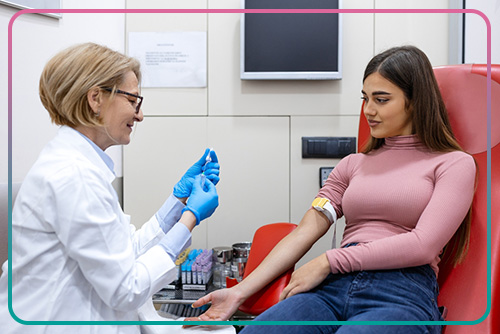
Blood tests before pregnancy are essential. Blood tests provide accurate and valuable information about the mother’s health status and allow the doctor to identify and correct any potential issues before pregnancy. These tests play an important role in preventing pregnancy complications and creating a safer environment for both the mother and the fetus.
Complete Blood Cell Count (CBC)
The CBC test measures the number of red blood cells, white blood cells, and platelets. One of the most important uses of this test is to detect anemia, a common condition that, if left untreated, can cause severe fatigue in the mother, general weakness, and even affect the development of the fetus. Additionally, examining white blood cells helps the doctor identify any hidden infections or potential inflammations that could pose a risk to the pregnancy if ignored.
Blood Group and Rh Factor
Determining the blood group and Rh factor before pregnancy is very important. If the mother is Rh-negative and the father is Rh-positive, the fetus may inherit the Rh-positive factor. In such cases, an Rh incompatibility may occur. If the mother’s and fetus’s blood come into contact, the mother’s immune system may produce antibodies that attack the fetus’s red blood cells and cause serious complications. Although the risk of blood mixing is low in the first pregnancy and usually does not cause serious problems, these antibodies can affect future pregnancies. For this reason, Rh-negative mothers are given an injection of RhoGAM to prevent the immune system from reacting to the Rh-positive blood of the fetus, ensuring safer future pregnancies.
Blood Sugar and Diabetes
Uncontrolled diabetes can increase the risk of miscarriage, stillbirth, and preterm birth. That’s why it is recommended that women bring their blood sugar levels into the normal range before becoming pregnant. For an accurate assessment, two tests are usually performed:
- Fasting Blood Sugar (FBS)
- Glycated Hemoglobin (HbA1c)
The HbA1c test shows the average blood sugar level over the past 2 to 3 months and helps the doctor more accurately evaluate the stability and control of blood sugar. Properly managing blood sugar levels before pregnancy plays a key role in reducing complications and increasing the chances of a healthy pregnancy.
Thyroid Tests
Thyroid disorders are common but often asymptomatic issues in women of reproductive age. That’s why it is essential to perform TSH, T3, and T4 tests before pregnancy to evaluate thyroid function. Proper thyroid function has a direct impact on fertility. Both underactive (hypothyroidism) and overactive (hyperthyroidism) thyroid can disrupt the ovulation process and reduce the chances of conception. In addition, thyroid hormones play a vital role in the normal growth and development of the fetus, and an imbalance may increase the risk of miscarriage or other pregnancy complications.
Essential Vitamins for Pregnancy
Measuring the levels of vitamin D and other nutrients such as folate (vitamin B9), vitamin B12, and iron before pregnancy is essential. These nutrients play a fundamental role in the proper formation of cells, the prevention of anemia, healthy fetal development, and reducing the risk of birth defects. Correcting nutritional deficiencies before pregnancy is an important step toward starting a healthy and safe pregnancy.
Hormonal and Fertility Tests for Women
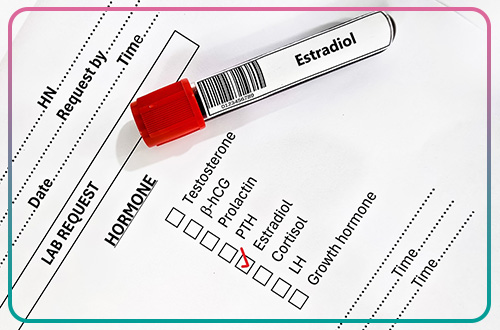
Hormones are the body’s chemical messengers and help regulate the menstrual cycle, ovulation, and the preparation of the uterus for embryo implantation. By evaluating hormone levels, a doctor can identify the causes of fertility issues and recommend the best fertility treatment plan based on each individual’s specific condition.
Ovarian Reserve Assessment
To evaluate ovarian function and fertility potential, the following hormones are recommended for measurement:
- Anti-Müllerian Hormone (AMH): This hormone is produced by ovarian follicles and is an important indicator for assessing ovarian reserve.
- Luteinizing Hormone (LH) and Follicle-Stimulating Hormone (FSH): These hormones are secreted by the pituitary gland and play a key role in follicle growth and maturation. Abnormally high levels may indicate reduced ovarian function and decreased chances of natural pregnancy.
- Estradiol: This hormone helps in the maturation of eggs and creates suitable conditions for ovulation and uterine preparation.Performing these tests before IVF is of particular importance, as they allow the doctor to determine the precise dose of ovarian stimulation medications.
Prolactin Test
Prolactin is one of the hormones that affects female fertility. Abnormally high levels can disrupt the secretion of the GnRH hormone in the brain. This disruption can stop the production of FSH and LH, leading to irregular menstrual cycles and anovulation. Measuring prolactin allows the doctor to identify the cause of ovulation disorders and increase the chances of a healthy pregnancy with appropriate treatment.
Infectious and Immunity Tests Before Pregnancy
Some infections may be asymptomatic in the mother’s body but can pose serious risks to the fetus during pregnancy. Therefore, performing infectious tests before pregnancy is of great importance. These tests help the doctor assess the mother’s immunity level against important viruses and bacteria. Identifying these factors before pregnancy provides enough time for vaccination or appropriate treatment and prevents the occurrence of irreversible complications during pregnancy.
TORCH Test
The TORCH test examines the antibody levels related to the diseases of toxoplasmosis, rubella, cytomegalovirus, and herpes simplex (genital herpes). If the mother is not immune to these diseases, infection during pregnancy can lead to fetal growth disorders, congenital abnormalities, or even miscarriage. Performing this test before pregnancy allows the doctor to carry out necessary vaccinations or preventive measures if needed, and bring the mother’s immunity level to a desirable level.
Hepatitis B and C
Testing for hepatitis before attempting pregnancy is crucial for the mother’s health and to prevent the transmission of the virus to the fetus. Hepatitis causes liver inflammation, and if left undiagnosed, it can be passed to the baby during pregnancy or at the time of delivery. If the test result is positive, the medical team can implement special care protocols to reduce the risk of transmission to the baby. Additionally, if the mother does not have sufficient immunity to hepatitis B, vaccination before pregnancy will be an effective solution to protect her during this sensitive period.
HIV Test
Since many people infected with HIV may remain asymptomatic for years, early diagnosis of the disease before pregnancy is very important. With proper management and the use of medication, the risk of transmitting the virus from mother to fetus can be significantly reduced.
Syphilis Test
VDRL and RPR tests help identify antibodies produced by Treponema pallidum (the bacterium that causes syphilis). Untreated syphilis can lead to serious complications such as preterm birth, stillbirth, or congenital abnormalities. Treating this condition before pregnancy ensures it does not pose a risk to the health of the fetus.
Genetic and Hereditary Disease Tests
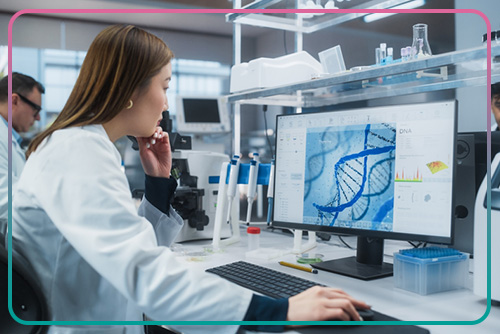
Genetic testing is considered one of the most important preventive measures before pregnancy. This is because some diseases are passed from parents to children and can cause serious problems for their growth and health. Genetic screening provides the opportunity to identify and manage potential risks before pregnancy.
Who Needs Genetic Testing?
Although genetic testing is recommended for all couples, it is especially important for the following groups:
Couples with a family history of genetic diseases: Parents who have a history of birth defects or known genetic disorders in their family are at risk of passing these conditions on to their children.
Women with a history of recurrent miscarriage or failed IVF: Individuals who have experienced two or more miscarriages or stillbirths should undergo a thorough genetic evaluation.
Common Genetic Tests Before Pregnancy
Carrier Screening Test: This test determines whether parents are carriers of defective genes for diseases such as cystic fibrosis or spinal muscular atrophy (SMA). If both parents are carriers of the same disease, there is a 25% chance in each pregnancy that the child will inherit the condition.
Thalassemia Test: Thalassemia is an inherited blood disorder that affects the body’s ability to produce healthy hemoglobin and red blood cells. Screening for this condition before pregnancy plays a key role in preventing the birth of an affected child.
Genetic Testing Before IVF
Pre-implantation Genetic Diagnosis (PGD) is one of the most important tests performed before IVF. This test helps specialists examine embryos obtained through IVF for genetic abnormalities before they are transferred to the uterus. Identifying and selecting healthy embryos increases the chances of successful treatment.
Gynecological Examinations and Imaging before Pregnancy
Accurate evaluation of the structure and health of the female reproductive system, through clinical examination and imaging techniques, is one of the most important steps in planning a healthy pregnancy. These assessments help identify hidden issues and evaluate the uterine conditions for successful embryo implantation.
Ultrasound of the Uterus and Ovaries
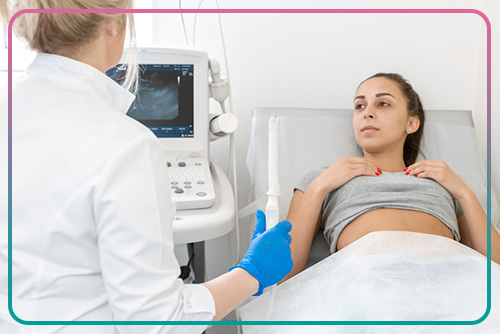
Ultrasound is a highly accurate diagnostic tool that allows doctors to obtain a clear image of the uterus, ovaries, and fallopian tubes. This assessment plays a vital role in evaluating the uterine readiness for embryo implantation. Additionally, ultrasound helps in the early detection of issues such as fibroids, ovarian cysts, and uterine polyps. These conditions can affect fertility or increase the risk of complications such as miscarriage and preterm birth. Learn more about improving your uterine health and increasing your chances of getting pregnant: Ways To Promote A Healthy Uterus To Increase Fertility
Pap Smear Test
The Pap smear is one of the most important tests for evaluating the health of the cervix. This test helps identify the human papillomavirus (HPV) and precancerous cells, ensuring that the cervix is in a healthy condition. This is crucial because the presence of such issues can interfere with the pregnancy process or affect the health of the fetus.
Hysteroscopy and Hysterosalpingography
In cases where a more detailed examination of the uterine cavity and the condition of the fallopian tubes is needed, the doctor may recommend more specialized methods:
Hysteroscopy: In this procedure, the inside of the uterus is directly examined to identify abnormalities such as uterine adhesions, polyps, or structural irregularities. Learn more about hysteroscopy: When Might I Need a Hysteroscopy?
Hysterosalpingography (color imaging of the uterus): This test is performed to evaluate the patency of the fallopian tubes and examine the shape of the uterine cavity, playing a crucial role in diagnosing the causes of infertility.
Prenatal Tests for Women Over 35years
As a woman ages, her fertility naturally declines. This is mainly due to the gradual decrease in the number and quality of eggs, which can increase the risk of chromosomal abnormalities and miscarriage. Therefore, a thorough evaluation of ovarian reserve and genetic screening is of great importance for women over 35. Although pregnancy at an advanced age comes with more sensitivities, with preventive care and close monitoring by a medical team, many women can experience a healthy and successful pregnancy. Awareness of the upcoming challenges should not lead to discouragement; rather, it should be seen as an opportunity for smart planning. Learn more about pregnancy after 40: Getting Pregnant At 40: FAQs And Tips
Recommended Tests Before IVF and Infertility Treatment
When the path to parenthood is pursued through assisted reproductive methods such as IVF, initial evaluations become even more important. Pre-treatment tests help the doctor ensure the mother’s physical readiness and choose the most appropriate treatment strategy.
Special IVF Tests
In IVF, the doctor determines the exact dose of ovarian stimulation medications by evaluating hormone levels. Additionally, an ultrasound is performed to detect polyps, cysts, and fibroids, ensuring that the uterine environment is suitable for embryo transfer. Screening for infectious diseases such as HIV and hepatitis is also one of the necessary steps that should be completed before IVF. Learn more about recommended rests before IVF: What tests need to be done before IVF
Why are tests crucial in IVF?
These tests and evaluations significantly increase the success rate of treatment by accurately identifying fertility barriers and help the doctor design a personalized plan for each couple. This can bring a great sense of peace of mind for the parents, as it assures them that potential risks have been identified and managed before starting the process. On the other hand, early detection of fertility issues prevents repeated failures and the burden of high costs, saving the couple valuable financial and time resources.
The Emotional Aspect of Pre-Pregnancy Tests
It’s completely natural to feel a bit anxious or wonder, “Is there something wrong?” when you see the relatively long list of pre-pregnancy tests. But the truth is, these tests are not signs of danger, but rather tools for awareness and reassurance. They help you better understand your body, address areas that can be improved, and enter the pregnancy journey with greater preparedness. Instead of worrying about unexpected events, you can approach the responsibility of your future child’s health with knowledge and calm, and walk this path with more confidence.

Common Questions About Pre-Pregnancy Tests
In this section, we answer some of the most common questions and concerns couples have about essential tests before pregnancy.
Are all the tests necessary?
No, the doctor prescribes only the necessary tests based on your age, medical history, and individual conditions.
If I’m healthy, do I still need to get tested?
Yes, because many medical issues, including infectious diseases or thyroid disorders, may be asymptomatic and can only be identified through testing.
How long are the results of pre-pregnancy tests valid?
The validity period varies depending on the type of test. However, in general, it’s recommended to have the tests done 3 to 6 months before planning for pregnancy to accurately reflect your current health status.
Preparing for Pre-Pregnancy Tests
To ensure accurate results from the pre-pregnancy checkup, each test should be performed under specific conditions. For example, the prolactin test requires 8 to 12 hours of fasting and is best done early in the morning (2 to 3 hours after waking up). Also, many fertility-related tests, such as LH and FSH, must be done on specific days of the menstrual cycle to accurately reflect ovarian function.
Therefore, before going to the lab, be sure to consult with your doctor about the appropriate timing and conditions for each test to ensure the results are accurate and reliable.
Final Checklist for Pre-Pregnancy Tests
Using the following checklist will help you start your pregnancy with proper planning and ensure you don’t miss any essential tests:
- Blood tests for general health assessment: Complete Blood Count (CBC), blood type and Rh factor, blood sugar, thyroid function, and vitamin level measurements
- Hormone tests related to fertility: Progesterone, estradiol, AMH, LH, FSH, and prolactin
- Infectious disease tests: TORCH test, hepatitis B and C, syphilis, and HIV
- Genetic tests: Thalassemia, carrier screening, and other tests based on individual conditions
- Uterus and ovary health assessment: Pap smear, ultrasound of the uterus and ovaries, and if needed, hysteroscopy and hysterosalpingography (uterine X-ray)
This checklist can help you stay on track and prepare your body for a healthy pregnancy.
Summary: A Healthy Pregnancy Starts with Awareness
Pregnancy is one of the most beautiful and meaningful experiences in life that becomes calmer and more secure with knowledge and care. Undergoing essential pre-pregnancy tests, from hormone evaluations to genetic screenings, helps you minimize potential risks and move forward in your journey to parenthood with greater confidence.
If you’re planning to start IVF treatment in Iran, the Hayat fertility team will be by your side at every step. We strive to provide a professional, transparent, and stress-free experience by offering services such as online gynecology counseling, specialized test analysis, precise travel planning, and 24/7 support throughout your treatment.
By receiving expert guidance, you can take your first step toward welcoming your child today.
References:
What You Need to Know About Fertility Testing
Pregnancy Over 35: What to Expect and How to Prepare

Written & Reviewed by
HayatMedTour Medical Team
Our content is prepared and reviewed by a team of certified fertility specialists based in Tehran, Iran, with extensive experience in fertility treatment.
 https://hayatmedtour.com/wp-content/uploads/2026/05/Essential-Pre-Pregnancy-Tests-1.jpg
630
1200
hayatfa
https://hayatmedtour.com/wp-content/uploads/2019/08/HayatMedTour-logo.png
hayatfa2026-05-31 15:00:252026-06-13 16:35:40Essential Pre-Pregnancy Tests
https://hayatmedtour.com/wp-content/uploads/2026/05/Essential-Pre-Pregnancy-Tests-1.jpg
630
1200
hayatfa
https://hayatmedtour.com/wp-content/uploads/2019/08/HayatMedTour-logo.png
hayatfa2026-05-31 15:00:252026-06-13 16:35:40Essential Pre-Pregnancy Tests https://hayatmedtour.com/wp-content/uploads/2026/02/Egg-Freezing-and-Fertility-Preservation.jpg
220
350
hayatfa
https://hayatmedtour.com/wp-content/uploads/2019/08/HayatMedTour-logo.png
hayatfa2026-05-12 10:37:182026-07-18 17:33:22Egg Freezing and Fertility Preservation
https://hayatmedtour.com/wp-content/uploads/2026/02/Egg-Freezing-and-Fertility-Preservation.jpg
220
350
hayatfa
https://hayatmedtour.com/wp-content/uploads/2019/08/HayatMedTour-logo.png
hayatfa2026-05-12 10:37:182026-07-18 17:33:22Egg Freezing and Fertility Preservation https://hayatmedtour.com/wp-content/uploads/2025/10/Egg-Retrieval-Process.jpg
220
350
hayatfa
https://hayatmedtour.com/wp-content/uploads/2019/08/HayatMedTour-logo.png
hayatfa2025-10-07 09:10:262026-06-13 16:57:23Egg Retrieval in IVF: Process, Steps, and Aftercare
https://hayatmedtour.com/wp-content/uploads/2025/10/Egg-Retrieval-Process.jpg
220
350
hayatfa
https://hayatmedtour.com/wp-content/uploads/2019/08/HayatMedTour-logo.png
hayatfa2025-10-07 09:10:262026-06-13 16:57:23Egg Retrieval in IVF: Process, Steps, and Aftercare https://hayatmedtour.com/wp-content/uploads/2025/09/How-can-you-improve-your-uterine-health.jpg
220
350
hayatfa
https://hayatmedtour.com/wp-content/uploads/2019/08/HayatMedTour-logo.png
hayatfa2025-09-07 14:40:292026-06-13 16:57:58How can you improve your uterine health?
https://hayatmedtour.com/wp-content/uploads/2025/09/How-can-you-improve-your-uterine-health.jpg
220
350
hayatfa
https://hayatmedtour.com/wp-content/uploads/2019/08/HayatMedTour-logo.png
hayatfa2025-09-07 14:40:292026-06-13 16:57:58How can you improve your uterine health? https://hayatmedtour.com/wp-content/uploads/2025/06/Why-Do-Some-Embryos-Stop-Growing-During-IVF.jpg
220
350
hayatfa
https://hayatmedtour.com/wp-content/uploads/2019/08/HayatMedTour-logo.png
hayatfa2025-06-08 11:31:192026-06-13 16:58:33Why Do Some Embryos Stop Growing During IVF?
https://hayatmedtour.com/wp-content/uploads/2025/06/Why-Do-Some-Embryos-Stop-Growing-During-IVF.jpg
220
350
hayatfa
https://hayatmedtour.com/wp-content/uploads/2019/08/HayatMedTour-logo.png
hayatfa2025-06-08 11:31:192026-06-13 16:58:33Why Do Some Embryos Stop Growing During IVF? https://hayatmedtour.com/wp-content/uploads/2025/05/When-is-Hysteroscopy-Needed.jpg
220
350
hayatfa
https://hayatmedtour.com/wp-content/uploads/2019/08/HayatMedTour-logo.png
hayatfa2025-05-14 22:01:562026-06-14 07:21:54When is Hysteroscopy Needed?
https://hayatmedtour.com/wp-content/uploads/2025/05/When-is-Hysteroscopy-Needed.jpg
220
350
hayatfa
https://hayatmedtour.com/wp-content/uploads/2019/08/HayatMedTour-logo.png
hayatfa2025-05-14 22:01:562026-06-14 07:21:54When is Hysteroscopy Needed? https://hayatmedtour.com/wp-content/uploads/2025/03/Frequently-Asked-Questions-About-IVF.jpg
220
350
hayatfa
https://hayatmedtour.com/wp-content/uploads/2019/08/HayatMedTour-logo.png
hayatfa2025-04-15 09:55:142026-06-14 07:23:0312 Common Questions About IVF
https://hayatmedtour.com/wp-content/uploads/2025/03/Frequently-Asked-Questions-About-IVF.jpg
220
350
hayatfa
https://hayatmedtour.com/wp-content/uploads/2019/08/HayatMedTour-logo.png
hayatfa2025-04-15 09:55:142026-06-14 07:23:0312 Common Questions About IVF https://hayatmedtour.com/wp-content/uploads/2025/02/The-Role-of-Diet-and-Nutrition-in-Fertility-Treatment-Success.jpg
220
350
hayatfa
https://hayatmedtour.com/wp-content/uploads/2019/08/HayatMedTour-logo.png
hayatfa2025-03-03 22:00:002026-06-14 07:23:46The Role of Diet and Nutrition in Fertility Treatment Success
https://hayatmedtour.com/wp-content/uploads/2025/02/The-Role-of-Diet-and-Nutrition-in-Fertility-Treatment-Success.jpg
220
350
hayatfa
https://hayatmedtour.com/wp-content/uploads/2019/08/HayatMedTour-logo.png
hayatfa2025-03-03 22:00:002026-06-14 07:23:46The Role of Diet and Nutrition in Fertility Treatment Success https://hayatmedtour.com/wp-content/uploads/2025/02/preparation-for-IVF.jpg
220
350
hayatfa
https://hayatmedtour.com/wp-content/uploads/2019/08/HayatMedTour-logo.png
hayatfa2025-02-24 22:00:002026-06-14 07:44:07How to prepare for IVF?
https://hayatmedtour.com/wp-content/uploads/2025/02/preparation-for-IVF.jpg
220
350
hayatfa
https://hayatmedtour.com/wp-content/uploads/2019/08/HayatMedTour-logo.png
hayatfa2025-02-24 22:00:002026-06-14 07:44:07How to prepare for IVF?